
Where every great shoe begins
How ideas evolve into production-ready footwear through research, creative direction and technical expertise.

Where every great shoe begins
Written by
DESIGN

Every successful footwear collection begins long before the first material is selected or the first sample is produced. It begins with an idea. Whether that idea arrives as a sketch, a moodboard or a fully developed concept, the design phase is where creative ambition meets the discipline of manufacturing. At Coincal, the purpose is not simply to draw an attractive shoe. It is to understand the brand behind it, the person who will wear it and the practical decisions that will allow the idea to become a convincing, producible object. This early alignment is especially important in footwear, where appearance, comfort and construction are inseparable. A line that gives a silhouette energy may change the pattern beneath it; a material chosen for softness may require hidden reinforcement; a sole selected for attitude will also determine weight and flex. Design becomes stronger when these consequences are welcomed from the beginning.

Understanding the Brand
Before a single line is drawn, the most useful work is often conversational. Who is the customer? Where will the shoe be sold? What should it communicate before it is even tried on? A refined city sneaker, a resort sandal and a technical boot may all share premium materials, yet they speak to entirely different lives. Establishing that context gives the collection a point of view. It also prevents design from becoming a collage of references without a recognisable identity.
At Coincal, briefs are read beyond their surface. A visual reference may reveal a desired proportion; a target price may suggest a different construction; a launch calendar may influence the availability of a particular component. The aim is to build a creative framework in which every later choice has a reason. Trends can inform that framework, but they should never replace it. A lasting product feels current because it understands its moment, not because it repeats its most obvious signals.
Developing Concepts
Once the direction is clear, ideas begin to acquire volume. Silhouettes are explored, proportions adjusted and the relationship between upper, sole and last considered. A few millimetres can alter the character of a toe, the balance of a profile or the way a shoe sits beneath a trouser. These are aesthetic decisions, but they are also technical ones.
Construction is considered from the beginning. A clean line on paper may require a seam, reinforcement or change in material when translated into three dimensions. Outsole options affect height, weight and flexibility. Closures influence fit. Edge finishes change both appearance and production time. By examining these relationships early, the design team protects the original idea from compromises that would otherwise appear much later.
Material Exploration
Choosing materials goes far beyond selecting beautiful leather. A hide must be considered for thickness, temper, stretch, grain, colour consistency and the way it responds to cutting, stitching and lasting. A textile may look compelling on a swatch yet behave differently once tensioned over a curved form. Linings influence breathability and comfort; reinforcements provide structure without announcing themselves.
The best material palette is therefore not a collection of isolated samples but a system. Each layer must work with the next. Weight should feel balanced. Flex points should remain comfortable. Finishes should age in a way that supports the product’s character. Production compatibility matters too: a material that varies excessively from batch to batch can make consistency difficult, while an unsuitable surface may mark during assembly. Beauty becomes meaningful when it survives use.
Preparing for Development
Before prototyping begins, the concept is reviewed through the eyes of production. Patterns, components, constructions and tolerances are examined. Potential obstacles are identified while they are still inexpensive to solve. This is where technical expertise acts not as a limit on creativity, but as its most useful editor.
Clear specifications reduce ambiguity for pattern makers, sample technicians and material suppliers. They also create a more intelligent sampling process. Rather than using prototypes to discover fundamental problems, each sample can focus on refining fit, proportion and finish. The result is fewer avoidable iterations and more attention devoted to the details the customer will eventually feel.
Great footwear is designed with creativity, but built with technical understanding.
Conclusion
The design stage is where inspiration gains direction. When brand thinking, material knowledge and manufacturing experience are present from the outset, an idea can move into development with clarity—and with its original character intact.
More articles
Sunday, June 14, 2026
Written by
Coincal
Where Every Impression Represents the Brand
How precision embossing transforms logos into permanent signatures of quality and craftsmanship.
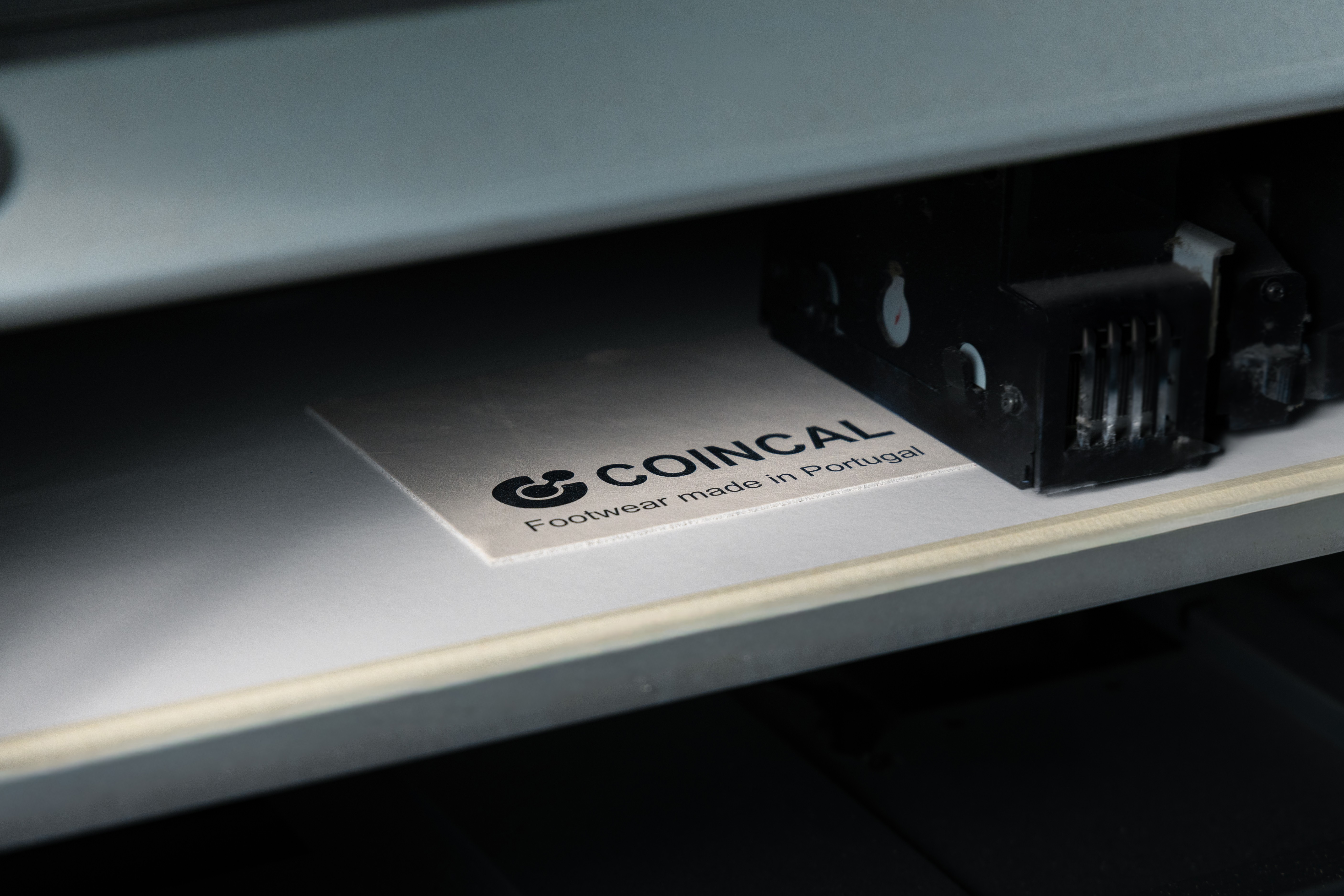
A logo is often the smallest element of a product, yet it carries the greatest responsibility. It represents the identity of a brand, communicates quality and becomes one of the most recognisable details of the finished shoe. Whether blind embossed, debossed, hot stamped or foil finished, logo application demands exceptional precision. Pressure, temperature, material behaviour and positioning must all work together to produce a clean, consistent and permanent result.
A logo is often the smallest element of a product, yet it carries the greatest responsibility. It represents the identity of a brand, communicates quality and becomes one of the most recognisable details of the finished shoe. Whether blind embossed, debossed, hot stamped or foil finished, logo application demands exceptional precision. Pressure, temperature, material behaviour and positioning must all work together to produce a clean, consistent and permanent result.
Wednesday, January 1, 2025
Written by
Coincal
Precision Stitched Into Every Detail
How embroidery transforms branding, decoration and identity into permanent features of every shoe.
Embroidery is one of the most precise decorative processes in footwear manufacturing. Unlike printed graphics or applied embellishments, embroidery becomes physically integrated into the material through thousands of individual stitches. Every logo, monogram or decorative pattern must balance aesthetics, durability and production efficiency. The quality of the final result depends as much on digital preparation as it does on the precision of the embroidery machine itself.
Embroidery is one of the most precise decorative processes in footwear manufacturing. Unlike printed graphics or applied embellishments, embroidery becomes physically integrated into the material through thousands of individual stitches. Every logo, monogram or decorative pattern must balance aesthetics, durability and production efficiency. The quality of the final result depends as much on digital preparation as it does on the precision of the embroidery machine itself.

Wednesday, January 1, 2025
Written by
Coincal
The Final Step Is Never Just Shipping
How quality control, finishing and logistics ensure every pair reaches customers exactly as intended.
When production ends, responsibility does not. The final days before dispatch determine how a collection will be experienced by warehouses, retailers and, ultimately, customers. Inspection, finishing, packing and logistics are not administrative tasks added after manufacturing; they are the closing stages of it. They protect the work already invested in every pair and ensure that the product arrives with the same clarity it had when it left the line.
When production ends, responsibility does not. The final days before dispatch determine how a collection will be experienced by warehouses, retailers and, ultimately, customers. Inspection, finishing, packing and logistics are not administrative tasks added after manufacturing; they are the closing stages of it. They protect the work already invested in every pair and ensure that the product arrives with the same clarity it had when it left the line.

Thursday, December 19, 2024
Written by
Coincal
Where Hundreds of Components Become One Product
A closer look at the manufacturing process behind premium footwear.
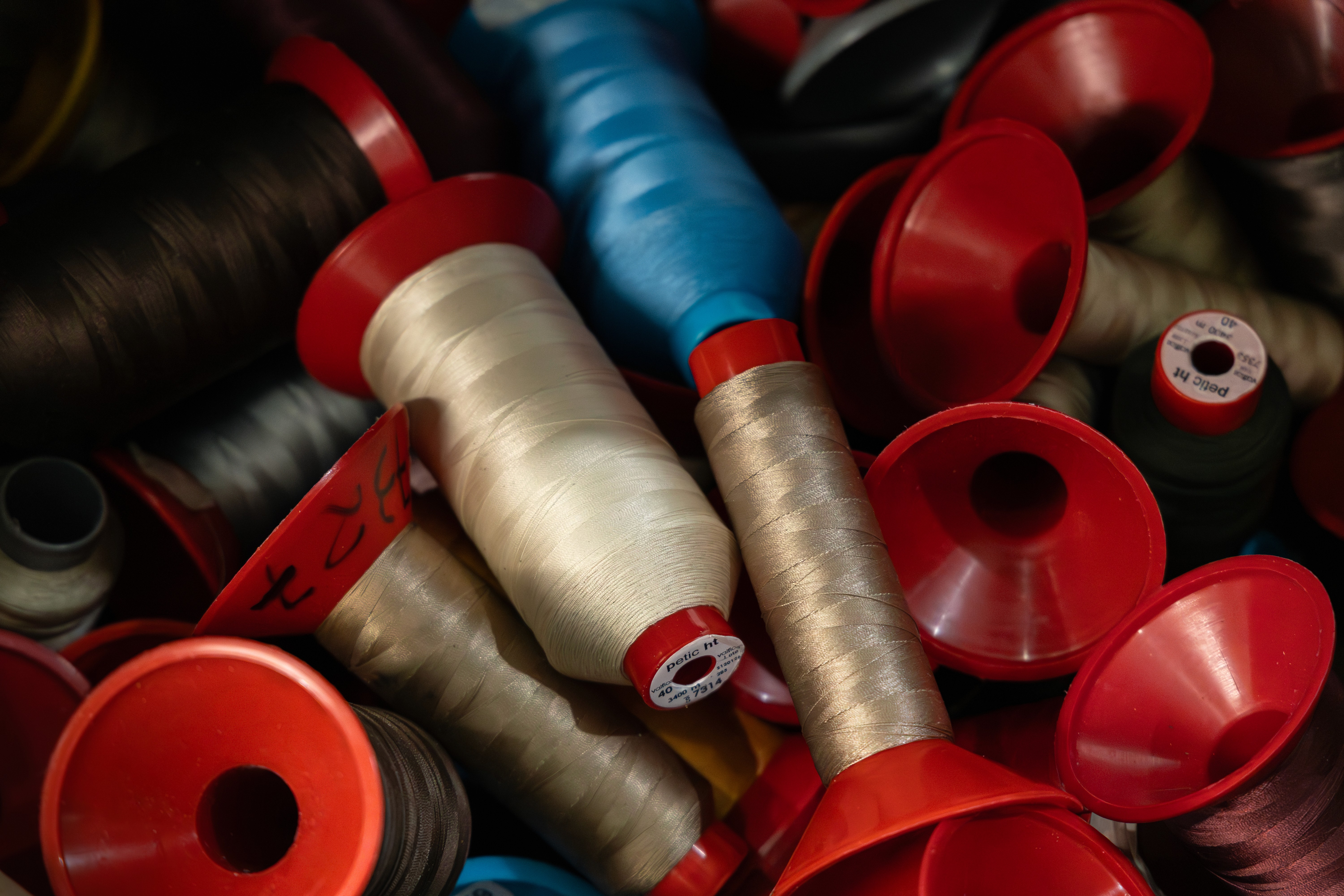
A finished shoe appears singular: one silhouette, one colour story, one clear object. In production, it begins as a carefully organised field of separate parts. Upper panels, linings, reinforcements, threads, eyelets, insoles, outsoles, counters, toe puffs, labels and laces must arrive at the right workstation in the right condition. Assembly is the discipline of turning that complexity into unity without losing control of fit, proportion or finish.
A finished shoe appears singular: one silhouette, one colour story, one clear object. In production, it begins as a carefully organised field of separate parts. Upper panels, linings, reinforcements, threads, eyelets, insoles, outsoles, counters, toe puffs, labels and laces must arrive at the right workstation in the right condition. Assembly is the discipline of turning that complexity into unity without losing control of fit, proportion or finish.

Thursday, December 19, 2024
Written by
Coincal
Quality Without Compromise
Every product is carefully inspected through rigorous quality control to ensure flawless construction, consistency and long-lasting performance before leaving our facilities.
Quality control is where craftsmanship is verified rather than assumed. Every finished shoe is carefully inspected for construction, proportions, stitching accuracy, material consistency and finishing details before it leaves the factory. It is a meticulous process that combines trained human judgement with rigorous standards, ensuring every pair meets the expectations of the brands we work with. Excellence is not added at the end—it is confirmed through every inspection.
Quality control is where craftsmanship is verified rather than assumed. Every finished shoe is carefully inspected for construction, proportions, stitching accuracy, material consistency and finishing details before it leaves the factory. It is a meticulous process that combines trained human judgement with rigorous standards, ensuring every pair meets the expectations of the brands we work with. Excellence is not added at the end—it is confirmed through every inspection.
Where every great shoe begins
How ideas evolve into production-ready footwear through research, creative direction and technical expertise.
Where every great shoe begins
Written by
DESIGN
Every successful footwear collection begins long before the first material is selected or the first sample is produced. It begins with an idea. Whether that idea arrives as a sketch, a moodboard or a fully developed concept, the design phase is where creative ambition meets the discipline of manufacturing. At Coincal, the purpose is not simply to draw an attractive shoe. It is to understand the brand behind it, the person who will wear it and the practical decisions that will allow the idea to become a convincing, producible object. This early alignment is especially important in footwear, where appearance, comfort and construction are inseparable. A line that gives a silhouette energy may change the pattern beneath it; a material chosen for softness may require hidden reinforcement; a sole selected for attitude will also determine weight and flex. Design becomes stronger when these consequences are welcomed from the beginning.
Understanding the Brand
Before a single line is drawn, the most useful work is often conversational. Who is the customer? Where will the shoe be sold? What should it communicate before it is even tried on? A refined city sneaker, a resort sandal and a technical boot may all share premium materials, yet they speak to entirely different lives. Establishing that context gives the collection a point of view. It also prevents design from becoming a collage of references without a recognisable identity.
At Coincal, briefs are read beyond their surface. A visual reference may reveal a desired proportion; a target price may suggest a different construction; a launch calendar may influence the availability of a particular component. The aim is to build a creative framework in which every later choice has a reason. Trends can inform that framework, but they should never replace it. A lasting product feels current because it understands its moment, not because it repeats its most obvious signals.
Developing Concepts
Once the direction is clear, ideas begin to acquire volume. Silhouettes are explored, proportions adjusted and the relationship between upper, sole and last considered. A few millimetres can alter the character of a toe, the balance of a profile or the way a shoe sits beneath a trouser. These are aesthetic decisions, but they are also technical ones.
Construction is considered from the beginning. A clean line on paper may require a seam, reinforcement or change in material when translated into three dimensions. Outsole options affect height, weight and flexibility. Closures influence fit. Edge finishes change both appearance and production time. By examining these relationships early, the design team protects the original idea from compromises that would otherwise appear much later.
Material Exploration
Choosing materials goes far beyond selecting beautiful leather. A hide must be considered for thickness, temper, stretch, grain, colour consistency and the way it responds to cutting, stitching and lasting. A textile may look compelling on a swatch yet behave differently once tensioned over a curved form. Linings influence breathability and comfort; reinforcements provide structure without announcing themselves.
The best material palette is therefore not a collection of isolated samples but a system. Each layer must work with the next. Weight should feel balanced. Flex points should remain comfortable. Finishes should age in a way that supports the product’s character. Production compatibility matters too: a material that varies excessively from batch to batch can make consistency difficult, while an unsuitable surface may mark during assembly. Beauty becomes meaningful when it survives use.
Preparing for Development
Before prototyping begins, the concept is reviewed through the eyes of production. Patterns, components, constructions and tolerances are examined. Potential obstacles are identified while they are still inexpensive to solve. This is where technical expertise acts not as a limit on creativity, but as its most useful editor.
Clear specifications reduce ambiguity for pattern makers, sample technicians and material suppliers. They also create a more intelligent sampling process. Rather than using prototypes to discover fundamental problems, each sample can focus on refining fit, proportion and finish. The result is fewer avoidable iterations and more attention devoted to the details the customer will eventually feel.
Great footwear is designed with creativity, but built with technical understanding.
Conclusion
The design stage is where inspiration gains direction. When brand thinking, material knowledge and manufacturing experience are present from the outset, an idea can move into development with clarity—and with its original character intact.
More articles
Where Every Impression Represents the Brand
How precision embossing transforms logos into permanent signatures of quality and craftsmanship.
Precision Stitched Into Every Detail
How embroidery transforms branding, decoration and identity into permanent features of every shoe.
The Final Step Is Never Just Shipping
How quality control, finishing and logistics ensure every pair reaches customers exactly as intended.
Where Hundreds of Components Become One Product
A closer look at the manufacturing process behind premium footwear.
Quality Without Compromise
Every product is carefully inspected through rigorous quality control to ensure flawless construction, consistency and long-lasting performance before leaving our facilities.
Where every great shoe begins
How ideas evolve into production-ready footwear through research, creative direction and technical expertise.
Where every great shoe begins
Written by
DESIGN
Every successful footwear collection begins long before the first material is selected or the first sample is produced. It begins with an idea. Whether that idea arrives as a sketch, a moodboard or a fully developed concept, the design phase is where creative ambition meets the discipline of manufacturing. At Coincal, the purpose is not simply to draw an attractive shoe. It is to understand the brand behind it, the person who will wear it and the practical decisions that will allow the idea to become a convincing, producible object. This early alignment is especially important in footwear, where appearance, comfort and construction are inseparable. A line that gives a silhouette energy may change the pattern beneath it; a material chosen for softness may require hidden reinforcement; a sole selected for attitude will also determine weight and flex. Design becomes stronger when these consequences are welcomed from the beginning.
Understanding the Brand
Before a single line is drawn, the most useful work is often conversational. Who is the customer? Where will the shoe be sold? What should it communicate before it is even tried on? A refined city sneaker, a resort sandal and a technical boot may all share premium materials, yet they speak to entirely different lives. Establishing that context gives the collection a point of view. It also prevents design from becoming a collage of references without a recognisable identity.
At Coincal, briefs are read beyond their surface. A visual reference may reveal a desired proportion; a target price may suggest a different construction; a launch calendar may influence the availability of a particular component. The aim is to build a creative framework in which every later choice has a reason. Trends can inform that framework, but they should never replace it. A lasting product feels current because it understands its moment, not because it repeats its most obvious signals.
Developing Concepts
Once the direction is clear, ideas begin to acquire volume. Silhouettes are explored, proportions adjusted and the relationship between upper, sole and last considered. A few millimetres can alter the character of a toe, the balance of a profile or the way a shoe sits beneath a trouser. These are aesthetic decisions, but they are also technical ones.
Construction is considered from the beginning. A clean line on paper may require a seam, reinforcement or change in material when translated into three dimensions. Outsole options affect height, weight and flexibility. Closures influence fit. Edge finishes change both appearance and production time. By examining these relationships early, the design team protects the original idea from compromises that would otherwise appear much later.
Material Exploration
Choosing materials goes far beyond selecting beautiful leather. A hide must be considered for thickness, temper, stretch, grain, colour consistency and the way it responds to cutting, stitching and lasting. A textile may look compelling on a swatch yet behave differently once tensioned over a curved form. Linings influence breathability and comfort; reinforcements provide structure without announcing themselves.
The best material palette is therefore not a collection of isolated samples but a system. Each layer must work with the next. Weight should feel balanced. Flex points should remain comfortable. Finishes should age in a way that supports the product’s character. Production compatibility matters too: a material that varies excessively from batch to batch can make consistency difficult, while an unsuitable surface may mark during assembly. Beauty becomes meaningful when it survives use.
Preparing for Development
Before prototyping begins, the concept is reviewed through the eyes of production. Patterns, components, constructions and tolerances are examined. Potential obstacles are identified while they are still inexpensive to solve. This is where technical expertise acts not as a limit on creativity, but as its most useful editor.
Clear specifications reduce ambiguity for pattern makers, sample technicians and material suppliers. They also create a more intelligent sampling process. Rather than using prototypes to discover fundamental problems, each sample can focus on refining fit, proportion and finish. The result is fewer avoidable iterations and more attention devoted to the details the customer will eventually feel.
Great footwear is designed with creativity, but built with technical understanding.
Conclusion
The design stage is where inspiration gains direction. When brand thinking, material knowledge and manufacturing experience are present from the outset, an idea can move into development with clarity—and with its original character intact.
More articles
Where Every Impression Represents the Brand
How precision embossing transforms logos into permanent signatures of quality and craftsmanship.
Precision Stitched Into Every Detail
How embroidery transforms branding, decoration and identity into permanent features of every shoe.
The Final Step Is Never Just Shipping
How quality control, finishing and logistics ensure every pair reaches customers exactly as intended.
Where Hundreds of Components Become One Product
A closer look at the manufacturing process behind premium footwear.
Quality Without Compromise
Every product is carefully inspected through rigorous quality control to ensure flawless construction, consistency and long-lasting performance before leaving our facilities.

We transform brands.
Your success is next.
Start your footwear journey by speaking with our manufacturing experts.

Where every great shoe begins
How ideas evolve into production-ready footwear through research, creative direction and technical expertise.
Where every great shoe begins
Written by
DESIGN
Every successful footwear collection begins long before the first material is selected or the first sample is produced. It begins with an idea. Whether that idea arrives as a sketch, a moodboard or a fully developed concept, the design phase is where creative ambition meets the discipline of manufacturing. At Coincal, the purpose is not simply to draw an attractive shoe. It is to understand the brand behind it, the person who will wear it and the practical decisions that will allow the idea to become a convincing, producible object. This early alignment is especially important in footwear, where appearance, comfort and construction are inseparable. A line that gives a silhouette energy may change the pattern beneath it; a material chosen for softness may require hidden reinforcement; a sole selected for attitude will also determine weight and flex. Design becomes stronger when these consequences are welcomed from the beginning.
Understanding the Brand
Before a single line is drawn, the most useful work is often conversational. Who is the customer? Where will the shoe be sold? What should it communicate before it is even tried on? A refined city sneaker, a resort sandal and a technical boot may all share premium materials, yet they speak to entirely different lives. Establishing that context gives the collection a point of view. It also prevents design from becoming a collage of references without a recognisable identity.
At Coincal, briefs are read beyond their surface. A visual reference may reveal a desired proportion; a target price may suggest a different construction; a launch calendar may influence the availability of a particular component. The aim is to build a creative framework in which every later choice has a reason. Trends can inform that framework, but they should never replace it. A lasting product feels current because it understands its moment, not because it repeats its most obvious signals.
Developing Concepts
Once the direction is clear, ideas begin to acquire volume. Silhouettes are explored, proportions adjusted and the relationship between upper, sole and last considered. A few millimetres can alter the character of a toe, the balance of a profile or the way a shoe sits beneath a trouser. These are aesthetic decisions, but they are also technical ones.
Construction is considered from the beginning. A clean line on paper may require a seam, reinforcement or change in material when translated into three dimensions. Outsole options affect height, weight and flexibility. Closures influence fit. Edge finishes change both appearance and production time. By examining these relationships early, the design team protects the original idea from compromises that would otherwise appear much later.
Material Exploration
Choosing materials goes far beyond selecting beautiful leather. A hide must be considered for thickness, temper, stretch, grain, colour consistency and the way it responds to cutting, stitching and lasting. A textile may look compelling on a swatch yet behave differently once tensioned over a curved form. Linings influence breathability and comfort; reinforcements provide structure without announcing themselves.
The best material palette is therefore not a collection of isolated samples but a system. Each layer must work with the next. Weight should feel balanced. Flex points should remain comfortable. Finishes should age in a way that supports the product’s character. Production compatibility matters too: a material that varies excessively from batch to batch can make consistency difficult, while an unsuitable surface may mark during assembly. Beauty becomes meaningful when it survives use.
Preparing for Development
Before prototyping begins, the concept is reviewed through the eyes of production. Patterns, components, constructions and tolerances are examined. Potential obstacles are identified while they are still inexpensive to solve. This is where technical expertise acts not as a limit on creativity, but as its most useful editor.
Clear specifications reduce ambiguity for pattern makers, sample technicians and material suppliers. They also create a more intelligent sampling process. Rather than using prototypes to discover fundamental problems, each sample can focus on refining fit, proportion and finish. The result is fewer avoidable iterations and more attention devoted to the details the customer will eventually feel.
Great footwear is designed with creativity, but built with technical understanding.
Conclusion
The design stage is where inspiration gains direction. When brand thinking, material knowledge and manufacturing experience are present from the outset, an idea can move into development with clarity—and with its original character intact.
More articles
Sunday, June 14, 2026
Written by
Coincal
Where Every Impression Represents the Brand
How precision embossing transforms logos into permanent signatures of quality and craftsmanship.
A logo is often the smallest element of a product, yet it carries the greatest responsibility. It represents the identity of a brand, communicates quality and becomes one of the most recognisable details of the finished shoe. Whether blind embossed, debossed, hot stamped or foil finished, logo application demands exceptional precision. Pressure, temperature, material behaviour and positioning must all work together to produce a clean, consistent and permanent result.
A logo is often the smallest element of a product, yet it carries the greatest responsibility. It represents the identity of a brand, communicates quality and becomes one of the most recognisable details of the finished shoe. Whether blind embossed, debossed, hot stamped or foil finished, logo application demands exceptional precision. Pressure, temperature, material behaviour and positioning must all work together to produce a clean, consistent and permanent result.
Wednesday, January 1, 2025
Written by
Coincal
Precision Stitched Into Every Detail
How embroidery transforms branding, decoration and identity into permanent features of every shoe.
Embroidery is one of the most precise decorative processes in footwear manufacturing. Unlike printed graphics or applied embellishments, embroidery becomes physically integrated into the material through thousands of individual stitches. Every logo, monogram or decorative pattern must balance aesthetics, durability and production efficiency. The quality of the final result depends as much on digital preparation as it does on the precision of the embroidery machine itself.
Embroidery is one of the most precise decorative processes in footwear manufacturing. Unlike printed graphics or applied embellishments, embroidery becomes physically integrated into the material through thousands of individual stitches. Every logo, monogram or decorative pattern must balance aesthetics, durability and production efficiency. The quality of the final result depends as much on digital preparation as it does on the precision of the embroidery machine itself.
Wednesday, January 1, 2025
Written by
Coincal
The Final Step Is Never Just Shipping
How quality control, finishing and logistics ensure every pair reaches customers exactly as intended.
When production ends, responsibility does not. The final days before dispatch determine how a collection will be experienced by warehouses, retailers and, ultimately, customers. Inspection, finishing, packing and logistics are not administrative tasks added after manufacturing; they are the closing stages of it. They protect the work already invested in every pair and ensure that the product arrives with the same clarity it had when it left the line.
When production ends, responsibility does not. The final days before dispatch determine how a collection will be experienced by warehouses, retailers and, ultimately, customers. Inspection, finishing, packing and logistics are not administrative tasks added after manufacturing; they are the closing stages of it. They protect the work already invested in every pair and ensure that the product arrives with the same clarity it had when it left the line.
Thursday, December 19, 2024
Written by
Coincal
Where Hundreds of Components Become One Product
A closer look at the manufacturing process behind premium footwear.
A finished shoe appears singular: one silhouette, one colour story, one clear object. In production, it begins as a carefully organised field of separate parts. Upper panels, linings, reinforcements, threads, eyelets, insoles, outsoles, counters, toe puffs, labels and laces must arrive at the right workstation in the right condition. Assembly is the discipline of turning that complexity into unity without losing control of fit, proportion or finish.
A finished shoe appears singular: one silhouette, one colour story, one clear object. In production, it begins as a carefully organised field of separate parts. Upper panels, linings, reinforcements, threads, eyelets, insoles, outsoles, counters, toe puffs, labels and laces must arrive at the right workstation in the right condition. Assembly is the discipline of turning that complexity into unity without losing control of fit, proportion or finish.
Thursday, December 19, 2024
Written by
Coincal
Quality Without Compromise
Every product is carefully inspected through rigorous quality control to ensure flawless construction, consistency and long-lasting performance before leaving our facilities.
Quality control is where craftsmanship is verified rather than assumed. Every finished shoe is carefully inspected for construction, proportions, stitching accuracy, material consistency and finishing details before it leaves the factory. It is a meticulous process that combines trained human judgement with rigorous standards, ensuring every pair meets the expectations of the brands we work with. Excellence is not added at the end—it is confirmed through every inspection.
Quality control is where craftsmanship is verified rather than assumed. Every finished shoe is carefully inspected for construction, proportions, stitching accuracy, material consistency and finishing details before it leaves the factory. It is a meticulous process that combines trained human judgement with rigorous standards, ensuring every pair meets the expectations of the brands we work with. Excellence is not added at the end—it is confirmed through every inspection.
Where every great shoe begins
How ideas evolve into production-ready footwear through research, creative direction and technical expertise.
Where every great shoe begins
Written by
DESIGN
Every successful footwear collection begins long before the first material is selected or the first sample is produced. It begins with an idea. Whether that idea arrives as a sketch, a moodboard or a fully developed concept, the design phase is where creative ambition meets the discipline of manufacturing. At Coincal, the purpose is not simply to draw an attractive shoe. It is to understand the brand behind it, the person who will wear it and the practical decisions that will allow the idea to become a convincing, producible object. This early alignment is especially important in footwear, where appearance, comfort and construction are inseparable. A line that gives a silhouette energy may change the pattern beneath it; a material chosen for softness may require hidden reinforcement; a sole selected for attitude will also determine weight and flex. Design becomes stronger when these consequences are welcomed from the beginning.
Understanding the Brand
Before a single line is drawn, the most useful work is often conversational. Who is the customer? Where will the shoe be sold? What should it communicate before it is even tried on? A refined city sneaker, a resort sandal and a technical boot may all share premium materials, yet they speak to entirely different lives. Establishing that context gives the collection a point of view. It also prevents design from becoming a collage of references without a recognisable identity.
At Coincal, briefs are read beyond their surface. A visual reference may reveal a desired proportion; a target price may suggest a different construction; a launch calendar may influence the availability of a particular component. The aim is to build a creative framework in which every later choice has a reason. Trends can inform that framework, but they should never replace it. A lasting product feels current because it understands its moment, not because it repeats its most obvious signals.
Developing Concepts
Once the direction is clear, ideas begin to acquire volume. Silhouettes are explored, proportions adjusted and the relationship between upper, sole and last considered. A few millimetres can alter the character of a toe, the balance of a profile or the way a shoe sits beneath a trouser. These are aesthetic decisions, but they are also technical ones.
Construction is considered from the beginning. A clean line on paper may require a seam, reinforcement or change in material when translated into three dimensions. Outsole options affect height, weight and flexibility. Closures influence fit. Edge finishes change both appearance and production time. By examining these relationships early, the design team protects the original idea from compromises that would otherwise appear much later.
Material Exploration
Choosing materials goes far beyond selecting beautiful leather. A hide must be considered for thickness, temper, stretch, grain, colour consistency and the way it responds to cutting, stitching and lasting. A textile may look compelling on a swatch yet behave differently once tensioned over a curved form. Linings influence breathability and comfort; reinforcements provide structure without announcing themselves.
The best material palette is therefore not a collection of isolated samples but a system. Each layer must work with the next. Weight should feel balanced. Flex points should remain comfortable. Finishes should age in a way that supports the product’s character. Production compatibility matters too: a material that varies excessively from batch to batch can make consistency difficult, while an unsuitable surface may mark during assembly. Beauty becomes meaningful when it survives use.
Preparing for Development
Before prototyping begins, the concept is reviewed through the eyes of production. Patterns, components, constructions and tolerances are examined. Potential obstacles are identified while they are still inexpensive to solve. This is where technical expertise acts not as a limit on creativity, but as its most useful editor.
Clear specifications reduce ambiguity for pattern makers, sample technicians and material suppliers. They also create a more intelligent sampling process. Rather than using prototypes to discover fundamental problems, each sample can focus on refining fit, proportion and finish. The result is fewer avoidable iterations and more attention devoted to the details the customer will eventually feel.
Great footwear is designed with creativity, but built with technical understanding.
Conclusion
The design stage is where inspiration gains direction. When brand thinking, material knowledge and manufacturing experience are present from the outset, an idea can move into development with clarity—and with its original character intact.
More articles
Where Every Impression Represents the Brand
How precision embossing transforms logos into permanent signatures of quality and craftsmanship.
Precision Stitched Into Every Detail
How embroidery transforms branding, decoration and identity into permanent features of every shoe.
The Final Step Is Never Just Shipping
How quality control, finishing and logistics ensure every pair reaches customers exactly as intended.
Where Hundreds of Components Become One Product
A closer look at the manufacturing process behind premium footwear.
Quality Without Compromise
Every product is carefully inspected through rigorous quality control to ensure flawless construction, consistency and long-lasting performance before leaving our facilities.
Where every great shoe begins
How ideas evolve into production-ready footwear through research, creative direction and technical expertise.
Where every great shoe begins
Written by
DESIGN
Every successful footwear collection begins long before the first material is selected or the first sample is produced. It begins with an idea. Whether that idea arrives as a sketch, a moodboard or a fully developed concept, the design phase is where creative ambition meets the discipline of manufacturing. At Coincal, the purpose is not simply to draw an attractive shoe. It is to understand the brand behind it, the person who will wear it and the practical decisions that will allow the idea to become a convincing, producible object. This early alignment is especially important in footwear, where appearance, comfort and construction are inseparable. A line that gives a silhouette energy may change the pattern beneath it; a material chosen for softness may require hidden reinforcement; a sole selected for attitude will also determine weight and flex. Design becomes stronger when these consequences are welcomed from the beginning.
Understanding the Brand
Before a single line is drawn, the most useful work is often conversational. Who is the customer? Where will the shoe be sold? What should it communicate before it is even tried on? A refined city sneaker, a resort sandal and a technical boot may all share premium materials, yet they speak to entirely different lives. Establishing that context gives the collection a point of view. It also prevents design from becoming a collage of references without a recognisable identity.
At Coincal, briefs are read beyond their surface. A visual reference may reveal a desired proportion; a target price may suggest a different construction; a launch calendar may influence the availability of a particular component. The aim is to build a creative framework in which every later choice has a reason. Trends can inform that framework, but they should never replace it. A lasting product feels current because it understands its moment, not because it repeats its most obvious signals.
Developing Concepts
Once the direction is clear, ideas begin to acquire volume. Silhouettes are explored, proportions adjusted and the relationship between upper, sole and last considered. A few millimetres can alter the character of a toe, the balance of a profile or the way a shoe sits beneath a trouser. These are aesthetic decisions, but they are also technical ones.
Construction is considered from the beginning. A clean line on paper may require a seam, reinforcement or change in material when translated into three dimensions. Outsole options affect height, weight and flexibility. Closures influence fit. Edge finishes change both appearance and production time. By examining these relationships early, the design team protects the original idea from compromises that would otherwise appear much later.
Material Exploration
Choosing materials goes far beyond selecting beautiful leather. A hide must be considered for thickness, temper, stretch, grain, colour consistency and the way it responds to cutting, stitching and lasting. A textile may look compelling on a swatch yet behave differently once tensioned over a curved form. Linings influence breathability and comfort; reinforcements provide structure without announcing themselves.
The best material palette is therefore not a collection of isolated samples but a system. Each layer must work with the next. Weight should feel balanced. Flex points should remain comfortable. Finishes should age in a way that supports the product’s character. Production compatibility matters too: a material that varies excessively from batch to batch can make consistency difficult, while an unsuitable surface may mark during assembly. Beauty becomes meaningful when it survives use.
Preparing for Development
Before prototyping begins, the concept is reviewed through the eyes of production. Patterns, components, constructions and tolerances are examined. Potential obstacles are identified while they are still inexpensive to solve. This is where technical expertise acts not as a limit on creativity, but as its most useful editor.
Clear specifications reduce ambiguity for pattern makers, sample technicians and material suppliers. They also create a more intelligent sampling process. Rather than using prototypes to discover fundamental problems, each sample can focus on refining fit, proportion and finish. The result is fewer avoidable iterations and more attention devoted to the details the customer will eventually feel.
Great footwear is designed with creativity, but built with technical understanding.
Conclusion
The design stage is where inspiration gains direction. When brand thinking, material knowledge and manufacturing experience are present from the outset, an idea can move into development with clarity—and with its original character intact.
More articles
Where Every Impression Represents the Brand
How precision embossing transforms logos into permanent signatures of quality and craftsmanship.
Precision Stitched Into Every Detail
How embroidery transforms branding, decoration and identity into permanent features of every shoe.
The Final Step Is Never Just Shipping
How quality control, finishing and logistics ensure every pair reaches customers exactly as intended.
Where Hundreds of Components Become One Product
A closer look at the manufacturing process behind premium footwear.
Quality Without Compromise
Every product is carefully inspected through rigorous quality control to ensure flawless construction, consistency and long-lasting performance before leaving our facilities.
We transform brands.
Your success is next.
Start your footwear journey by speaking with our manufacturing experts.
Where every great shoe begins
How ideas evolve into production-ready footwear through research, creative direction and technical expertise.
Where every great shoe begins
Written by
DESIGN
Every successful footwear collection begins long before the first material is selected or the first sample is produced. It begins with an idea. Whether that idea arrives as a sketch, a moodboard or a fully developed concept, the design phase is where creative ambition meets the discipline of manufacturing. At Coincal, the purpose is not simply to draw an attractive shoe. It is to understand the brand behind it, the person who will wear it and the practical decisions that will allow the idea to become a convincing, producible object. This early alignment is especially important in footwear, where appearance, comfort and construction are inseparable. A line that gives a silhouette energy may change the pattern beneath it; a material chosen for softness may require hidden reinforcement; a sole selected for attitude will also determine weight and flex. Design becomes stronger when these consequences are welcomed from the beginning.
Understanding the Brand
Before a single line is drawn, the most useful work is often conversational. Who is the customer? Where will the shoe be sold? What should it communicate before it is even tried on? A refined city sneaker, a resort sandal and a technical boot may all share premium materials, yet they speak to entirely different lives. Establishing that context gives the collection a point of view. It also prevents design from becoming a collage of references without a recognisable identity.
At Coincal, briefs are read beyond their surface. A visual reference may reveal a desired proportion; a target price may suggest a different construction; a launch calendar may influence the availability of a particular component. The aim is to build a creative framework in which every later choice has a reason. Trends can inform that framework, but they should never replace it. A lasting product feels current because it understands its moment, not because it repeats its most obvious signals.
Developing Concepts
Once the direction is clear, ideas begin to acquire volume. Silhouettes are explored, proportions adjusted and the relationship between upper, sole and last considered. A few millimetres can alter the character of a toe, the balance of a profile or the way a shoe sits beneath a trouser. These are aesthetic decisions, but they are also technical ones.
Construction is considered from the beginning. A clean line on paper may require a seam, reinforcement or change in material when translated into three dimensions. Outsole options affect height, weight and flexibility. Closures influence fit. Edge finishes change both appearance and production time. By examining these relationships early, the design team protects the original idea from compromises that would otherwise appear much later.
Material Exploration
Choosing materials goes far beyond selecting beautiful leather. A hide must be considered for thickness, temper, stretch, grain, colour consistency and the way it responds to cutting, stitching and lasting. A textile may look compelling on a swatch yet behave differently once tensioned over a curved form. Linings influence breathability and comfort; reinforcements provide structure without announcing themselves.
The best material palette is therefore not a collection of isolated samples but a system. Each layer must work with the next. Weight should feel balanced. Flex points should remain comfortable. Finishes should age in a way that supports the product’s character. Production compatibility matters too: a material that varies excessively from batch to batch can make consistency difficult, while an unsuitable surface may mark during assembly. Beauty becomes meaningful when it survives use.
Preparing for Development
Before prototyping begins, the concept is reviewed through the eyes of production. Patterns, components, constructions and tolerances are examined. Potential obstacles are identified while they are still inexpensive to solve. This is where technical expertise acts not as a limit on creativity, but as its most useful editor.
Clear specifications reduce ambiguity for pattern makers, sample technicians and material suppliers. They also create a more intelligent sampling process. Rather than using prototypes to discover fundamental problems, each sample can focus on refining fit, proportion and finish. The result is fewer avoidable iterations and more attention devoted to the details the customer will eventually feel.
Great footwear is designed with creativity, but built with technical understanding.
Conclusion
The design stage is where inspiration gains direction. When brand thinking, material knowledge and manufacturing experience are present from the outset, an idea can move into development with clarity—and with its original character intact.
More articles
Sunday, June 14, 2026
Written by
Coincal
Where Every Impression Represents the Brand
How precision embossing transforms logos into permanent signatures of quality and craftsmanship.
A logo is often the smallest element of a product, yet it carries the greatest responsibility. It represents the identity of a brand, communicates quality and becomes one of the most recognisable details of the finished shoe. Whether blind embossed, debossed, hot stamped or foil finished, logo application demands exceptional precision. Pressure, temperature, material behaviour and positioning must all work together to produce a clean, consistent and permanent result.
A logo is often the smallest element of a product, yet it carries the greatest responsibility. It represents the identity of a brand, communicates quality and becomes one of the most recognisable details of the finished shoe. Whether blind embossed, debossed, hot stamped or foil finished, logo application demands exceptional precision. Pressure, temperature, material behaviour and positioning must all work together to produce a clean, consistent and permanent result.
Wednesday, January 1, 2025
Written by
Coincal
Precision Stitched Into Every Detail
How embroidery transforms branding, decoration and identity into permanent features of every shoe.
Embroidery is one of the most precise decorative processes in footwear manufacturing. Unlike printed graphics or applied embellishments, embroidery becomes physically integrated into the material through thousands of individual stitches. Every logo, monogram or decorative pattern must balance aesthetics, durability and production efficiency. The quality of the final result depends as much on digital preparation as it does on the precision of the embroidery machine itself.
Embroidery is one of the most precise decorative processes in footwear manufacturing. Unlike printed graphics or applied embellishments, embroidery becomes physically integrated into the material through thousands of individual stitches. Every logo, monogram or decorative pattern must balance aesthetics, durability and production efficiency. The quality of the final result depends as much on digital preparation as it does on the precision of the embroidery machine itself.
Wednesday, January 1, 2025
Written by
Coincal
The Final Step Is Never Just Shipping
How quality control, finishing and logistics ensure every pair reaches customers exactly as intended.
When production ends, responsibility does not. The final days before dispatch determine how a collection will be experienced by warehouses, retailers and, ultimately, customers. Inspection, finishing, packing and logistics are not administrative tasks added after manufacturing; they are the closing stages of it. They protect the work already invested in every pair and ensure that the product arrives with the same clarity it had when it left the line.
When production ends, responsibility does not. The final days before dispatch determine how a collection will be experienced by warehouses, retailers and, ultimately, customers. Inspection, finishing, packing and logistics are not administrative tasks added after manufacturing; they are the closing stages of it. They protect the work already invested in every pair and ensure that the product arrives with the same clarity it had when it left the line.
Thursday, December 19, 2024
Written by
Coincal
Where Hundreds of Components Become One Product
A closer look at the manufacturing process behind premium footwear.
A finished shoe appears singular: one silhouette, one colour story, one clear object. In production, it begins as a carefully organised field of separate parts. Upper panels, linings, reinforcements, threads, eyelets, insoles, outsoles, counters, toe puffs, labels and laces must arrive at the right workstation in the right condition. Assembly is the discipline of turning that complexity into unity without losing control of fit, proportion or finish.
A finished shoe appears singular: one silhouette, one colour story, one clear object. In production, it begins as a carefully organised field of separate parts. Upper panels, linings, reinforcements, threads, eyelets, insoles, outsoles, counters, toe puffs, labels and laces must arrive at the right workstation in the right condition. Assembly is the discipline of turning that complexity into unity without losing control of fit, proportion or finish.
Thursday, December 19, 2024
Written by
Coincal
Quality Without Compromise
Every product is carefully inspected through rigorous quality control to ensure flawless construction, consistency and long-lasting performance before leaving our facilities.
Quality control is where craftsmanship is verified rather than assumed. Every finished shoe is carefully inspected for construction, proportions, stitching accuracy, material consistency and finishing details before it leaves the factory. It is a meticulous process that combines trained human judgement with rigorous standards, ensuring every pair meets the expectations of the brands we work with. Excellence is not added at the end—it is confirmed through every inspection.
Quality control is where craftsmanship is verified rather than assumed. Every finished shoe is carefully inspected for construction, proportions, stitching accuracy, material consistency and finishing details before it leaves the factory. It is a meticulous process that combines trained human judgement with rigorous standards, ensuring every pair meets the expectations of the brands we work with. Excellence is not added at the end—it is confirmed through every inspection.
Where every great shoe begins
How ideas evolve into production-ready footwear through research, creative direction and technical expertise.
Where every great shoe begins
Written by
DESIGN
Every successful footwear collection begins long before the first material is selected or the first sample is produced. It begins with an idea. Whether that idea arrives as a sketch, a moodboard or a fully developed concept, the design phase is where creative ambition meets the discipline of manufacturing. At Coincal, the purpose is not simply to draw an attractive shoe. It is to understand the brand behind it, the person who will wear it and the practical decisions that will allow the idea to become a convincing, producible object. This early alignment is especially important in footwear, where appearance, comfort and construction are inseparable. A line that gives a silhouette energy may change the pattern beneath it; a material chosen for softness may require hidden reinforcement; a sole selected for attitude will also determine weight and flex. Design becomes stronger when these consequences are welcomed from the beginning.
Understanding the Brand
Before a single line is drawn, the most useful work is often conversational. Who is the customer? Where will the shoe be sold? What should it communicate before it is even tried on? A refined city sneaker, a resort sandal and a technical boot may all share premium materials, yet they speak to entirely different lives. Establishing that context gives the collection a point of view. It also prevents design from becoming a collage of references without a recognisable identity.
At Coincal, briefs are read beyond their surface. A visual reference may reveal a desired proportion; a target price may suggest a different construction; a launch calendar may influence the availability of a particular component. The aim is to build a creative framework in which every later choice has a reason. Trends can inform that framework, but they should never replace it. A lasting product feels current because it understands its moment, not because it repeats its most obvious signals.
Developing Concepts
Once the direction is clear, ideas begin to acquire volume. Silhouettes are explored, proportions adjusted and the relationship between upper, sole and last considered. A few millimetres can alter the character of a toe, the balance of a profile or the way a shoe sits beneath a trouser. These are aesthetic decisions, but they are also technical ones.
Construction is considered from the beginning. A clean line on paper may require a seam, reinforcement or change in material when translated into three dimensions. Outsole options affect height, weight and flexibility. Closures influence fit. Edge finishes change both appearance and production time. By examining these relationships early, the design team protects the original idea from compromises that would otherwise appear much later.
Material Exploration
Choosing materials goes far beyond selecting beautiful leather. A hide must be considered for thickness, temper, stretch, grain, colour consistency and the way it responds to cutting, stitching and lasting. A textile may look compelling on a swatch yet behave differently once tensioned over a curved form. Linings influence breathability and comfort; reinforcements provide structure without announcing themselves.
The best material palette is therefore not a collection of isolated samples but a system. Each layer must work with the next. Weight should feel balanced. Flex points should remain comfortable. Finishes should age in a way that supports the product’s character. Production compatibility matters too: a material that varies excessively from batch to batch can make consistency difficult, while an unsuitable surface may mark during assembly. Beauty becomes meaningful when it survives use.
Preparing for Development
Before prototyping begins, the concept is reviewed through the eyes of production. Patterns, components, constructions and tolerances are examined. Potential obstacles are identified while they are still inexpensive to solve. This is where technical expertise acts not as a limit on creativity, but as its most useful editor.
Clear specifications reduce ambiguity for pattern makers, sample technicians and material suppliers. They also create a more intelligent sampling process. Rather than using prototypes to discover fundamental problems, each sample can focus on refining fit, proportion and finish. The result is fewer avoidable iterations and more attention devoted to the details the customer will eventually feel.
Great footwear is designed with creativity, but built with technical understanding.
Conclusion
The design stage is where inspiration gains direction. When brand thinking, material knowledge and manufacturing experience are present from the outset, an idea can move into development with clarity—and with its original character intact.
More articles
Where Every Impression Represents the Brand
How precision embossing transforms logos into permanent signatures of quality and craftsmanship.
Precision Stitched Into Every Detail
How embroidery transforms branding, decoration and identity into permanent features of every shoe.
The Final Step Is Never Just Shipping
How quality control, finishing and logistics ensure every pair reaches customers exactly as intended.
Where Hundreds of Components Become One Product
A closer look at the manufacturing process behind premium footwear.
Quality Without Compromise
Every product is carefully inspected through rigorous quality control to ensure flawless construction, consistency and long-lasting performance before leaving our facilities.
Where every great shoe begins
How ideas evolve into production-ready footwear through research, creative direction and technical expertise.
Where every great shoe begins
Written by
DESIGN
Every successful footwear collection begins long before the first material is selected or the first sample is produced. It begins with an idea. Whether that idea arrives as a sketch, a moodboard or a fully developed concept, the design phase is where creative ambition meets the discipline of manufacturing. At Coincal, the purpose is not simply to draw an attractive shoe. It is to understand the brand behind it, the person who will wear it and the practical decisions that will allow the idea to become a convincing, producible object. This early alignment is especially important in footwear, where appearance, comfort and construction are inseparable. A line that gives a silhouette energy may change the pattern beneath it; a material chosen for softness may require hidden reinforcement; a sole selected for attitude will also determine weight and flex. Design becomes stronger when these consequences are welcomed from the beginning.
Understanding the Brand
Before a single line is drawn, the most useful work is often conversational. Who is the customer? Where will the shoe be sold? What should it communicate before it is even tried on? A refined city sneaker, a resort sandal and a technical boot may all share premium materials, yet they speak to entirely different lives. Establishing that context gives the collection a point of view. It also prevents design from becoming a collage of references without a recognisable identity.
At Coincal, briefs are read beyond their surface. A visual reference may reveal a desired proportion; a target price may suggest a different construction; a launch calendar may influence the availability of a particular component. The aim is to build a creative framework in which every later choice has a reason. Trends can inform that framework, but they should never replace it. A lasting product feels current because it understands its moment, not because it repeats its most obvious signals.
Developing Concepts
Once the direction is clear, ideas begin to acquire volume. Silhouettes are explored, proportions adjusted and the relationship between upper, sole and last considered. A few millimetres can alter the character of a toe, the balance of a profile or the way a shoe sits beneath a trouser. These are aesthetic decisions, but they are also technical ones.
Construction is considered from the beginning. A clean line on paper may require a seam, reinforcement or change in material when translated into three dimensions. Outsole options affect height, weight and flexibility. Closures influence fit. Edge finishes change both appearance and production time. By examining these relationships early, the design team protects the original idea from compromises that would otherwise appear much later.
Material Exploration
Choosing materials goes far beyond selecting beautiful leather. A hide must be considered for thickness, temper, stretch, grain, colour consistency and the way it responds to cutting, stitching and lasting. A textile may look compelling on a swatch yet behave differently once tensioned over a curved form. Linings influence breathability and comfort; reinforcements provide structure without announcing themselves.
The best material palette is therefore not a collection of isolated samples but a system. Each layer must work with the next. Weight should feel balanced. Flex points should remain comfortable. Finishes should age in a way that supports the product’s character. Production compatibility matters too: a material that varies excessively from batch to batch can make consistency difficult, while an unsuitable surface may mark during assembly. Beauty becomes meaningful when it survives use.
Preparing for Development
Before prototyping begins, the concept is reviewed through the eyes of production. Patterns, components, constructions and tolerances are examined. Potential obstacles are identified while they are still inexpensive to solve. This is where technical expertise acts not as a limit on creativity, but as its most useful editor.
Clear specifications reduce ambiguity for pattern makers, sample technicians and material suppliers. They also create a more intelligent sampling process. Rather than using prototypes to discover fundamental problems, each sample can focus on refining fit, proportion and finish. The result is fewer avoidable iterations and more attention devoted to the details the customer will eventually feel.
Great footwear is designed with creativity, but built with technical understanding.
Conclusion
The design stage is where inspiration gains direction. When brand thinking, material knowledge and manufacturing experience are present from the outset, an idea can move into development with clarity—and with its original character intact.
More articles
Where Every Impression Represents the Brand
How precision embossing transforms logos into permanent signatures of quality and craftsmanship.
Precision Stitched Into Every Detail
How embroidery transforms branding, decoration and identity into permanent features of every shoe.
The Final Step Is Never Just Shipping
How quality control, finishing and logistics ensure every pair reaches customers exactly as intended.
Where Hundreds of Components Become One Product
A closer look at the manufacturing process behind premium footwear.
Quality Without Compromise
Every product is carefully inspected through rigorous quality control to ensure flawless construction, consistency and long-lasting performance before leaving our facilities.
We transform brands.
Your success is next.
Start your footwear journey by speaking with our manufacturing experts.
Where every great shoe begins
How ideas evolve into production-ready footwear through research, creative direction and technical expertise.
Where every great shoe begins
Written by
DESIGN
Every successful footwear collection begins long before the first material is selected or the first sample is produced. It begins with an idea. Whether that idea arrives as a sketch, a moodboard or a fully developed concept, the design phase is where creative ambition meets the discipline of manufacturing. At Coincal, the purpose is not simply to draw an attractive shoe. It is to understand the brand behind it, the person who will wear it and the practical decisions that will allow the idea to become a convincing, producible object. This early alignment is especially important in footwear, where appearance, comfort and construction are inseparable. A line that gives a silhouette energy may change the pattern beneath it; a material chosen for softness may require hidden reinforcement; a sole selected for attitude will also determine weight and flex. Design becomes stronger when these consequences are welcomed from the beginning.
Understanding the Brand
Before a single line is drawn, the most useful work is often conversational. Who is the customer? Where will the shoe be sold? What should it communicate before it is even tried on? A refined city sneaker, a resort sandal and a technical boot may all share premium materials, yet they speak to entirely different lives. Establishing that context gives the collection a point of view. It also prevents design from becoming a collage of references without a recognisable identity.
At Coincal, briefs are read beyond their surface. A visual reference may reveal a desired proportion; a target price may suggest a different construction; a launch calendar may influence the availability of a particular component. The aim is to build a creative framework in which every later choice has a reason. Trends can inform that framework, but they should never replace it. A lasting product feels current because it understands its moment, not because it repeats its most obvious signals.
Developing Concepts
Once the direction is clear, ideas begin to acquire volume. Silhouettes are explored, proportions adjusted and the relationship between upper, sole and last considered. A few millimetres can alter the character of a toe, the balance of a profile or the way a shoe sits beneath a trouser. These are aesthetic decisions, but they are also technical ones.
Construction is considered from the beginning. A clean line on paper may require a seam, reinforcement or change in material when translated into three dimensions. Outsole options affect height, weight and flexibility. Closures influence fit. Edge finishes change both appearance and production time. By examining these relationships early, the design team protects the original idea from compromises that would otherwise appear much later.
Material Exploration
Choosing materials goes far beyond selecting beautiful leather. A hide must be considered for thickness, temper, stretch, grain, colour consistency and the way it responds to cutting, stitching and lasting. A textile may look compelling on a swatch yet behave differently once tensioned over a curved form. Linings influence breathability and comfort; reinforcements provide structure without announcing themselves.
The best material palette is therefore not a collection of isolated samples but a system. Each layer must work with the next. Weight should feel balanced. Flex points should remain comfortable. Finishes should age in a way that supports the product’s character. Production compatibility matters too: a material that varies excessively from batch to batch can make consistency difficult, while an unsuitable surface may mark during assembly. Beauty becomes meaningful when it survives use.
Preparing for Development
Before prototyping begins, the concept is reviewed through the eyes of production. Patterns, components, constructions and tolerances are examined. Potential obstacles are identified while they are still inexpensive to solve. This is where technical expertise acts not as a limit on creativity, but as its most useful editor.
Clear specifications reduce ambiguity for pattern makers, sample technicians and material suppliers. They also create a more intelligent sampling process. Rather than using prototypes to discover fundamental problems, each sample can focus on refining fit, proportion and finish. The result is fewer avoidable iterations and more attention devoted to the details the customer will eventually feel.
Great footwear is designed with creativity, but built with technical understanding.
Conclusion
The design stage is where inspiration gains direction. When brand thinking, material knowledge and manufacturing experience are present from the outset, an idea can move into development with clarity—and with its original character intact.
More articles
Sunday, June 14, 2026
Written by
Coincal
Where Every Impression Represents the Brand
How precision embossing transforms logos into permanent signatures of quality and craftsmanship.
A logo is often the smallest element of a product, yet it carries the greatest responsibility. It represents the identity of a brand, communicates quality and becomes one of the most recognisable details of the finished shoe. Whether blind embossed, debossed, hot stamped or foil finished, logo application demands exceptional precision. Pressure, temperature, material behaviour and positioning must all work together to produce a clean, consistent and permanent result.
A logo is often the smallest element of a product, yet it carries the greatest responsibility. It represents the identity of a brand, communicates quality and becomes one of the most recognisable details of the finished shoe. Whether blind embossed, debossed, hot stamped or foil finished, logo application demands exceptional precision. Pressure, temperature, material behaviour and positioning must all work together to produce a clean, consistent and permanent result.
Wednesday, January 1, 2025
Written by
Coincal
Precision Stitched Into Every Detail
How embroidery transforms branding, decoration and identity into permanent features of every shoe.
Embroidery is one of the most precise decorative processes in footwear manufacturing. Unlike printed graphics or applied embellishments, embroidery becomes physically integrated into the material through thousands of individual stitches. Every logo, monogram or decorative pattern must balance aesthetics, durability and production efficiency. The quality of the final result depends as much on digital preparation as it does on the precision of the embroidery machine itself.
Embroidery is one of the most precise decorative processes in footwear manufacturing. Unlike printed graphics or applied embellishments, embroidery becomes physically integrated into the material through thousands of individual stitches. Every logo, monogram or decorative pattern must balance aesthetics, durability and production efficiency. The quality of the final result depends as much on digital preparation as it does on the precision of the embroidery machine itself.
Wednesday, January 1, 2025
Written by
Coincal
The Final Step Is Never Just Shipping
How quality control, finishing and logistics ensure every pair reaches customers exactly as intended.
When production ends, responsibility does not. The final days before dispatch determine how a collection will be experienced by warehouses, retailers and, ultimately, customers. Inspection, finishing, packing and logistics are not administrative tasks added after manufacturing; they are the closing stages of it. They protect the work already invested in every pair and ensure that the product arrives with the same clarity it had when it left the line.
When production ends, responsibility does not. The final days before dispatch determine how a collection will be experienced by warehouses, retailers and, ultimately, customers. Inspection, finishing, packing and logistics are not administrative tasks added after manufacturing; they are the closing stages of it. They protect the work already invested in every pair and ensure that the product arrives with the same clarity it had when it left the line.
Thursday, December 19, 2024
Written by
Coincal
Where Hundreds of Components Become One Product
A closer look at the manufacturing process behind premium footwear.
A finished shoe appears singular: one silhouette, one colour story, one clear object. In production, it begins as a carefully organised field of separate parts. Upper panels, linings, reinforcements, threads, eyelets, insoles, outsoles, counters, toe puffs, labels and laces must arrive at the right workstation in the right condition. Assembly is the discipline of turning that complexity into unity without losing control of fit, proportion or finish.
A finished shoe appears singular: one silhouette, one colour story, one clear object. In production, it begins as a carefully organised field of separate parts. Upper panels, linings, reinforcements, threads, eyelets, insoles, outsoles, counters, toe puffs, labels and laces must arrive at the right workstation in the right condition. Assembly is the discipline of turning that complexity into unity without losing control of fit, proportion or finish.
Thursday, December 19, 2024
Written by
Coincal
Quality Without Compromise
Every product is carefully inspected through rigorous quality control to ensure flawless construction, consistency and long-lasting performance before leaving our facilities.
Quality control is where craftsmanship is verified rather than assumed. Every finished shoe is carefully inspected for construction, proportions, stitching accuracy, material consistency and finishing details before it leaves the factory. It is a meticulous process that combines trained human judgement with rigorous standards, ensuring every pair meets the expectations of the brands we work with. Excellence is not added at the end—it is confirmed through every inspection.
Quality control is where craftsmanship is verified rather than assumed. Every finished shoe is carefully inspected for construction, proportions, stitching accuracy, material consistency and finishing details before it leaves the factory. It is a meticulous process that combines trained human judgement with rigorous standards, ensuring every pair meets the expectations of the brands we work with. Excellence is not added at the end—it is confirmed through every inspection.
Where every great shoe begins
How ideas evolve into production-ready footwear through research, creative direction and technical expertise.
Where every great shoe begins
Written by
DESIGN
Every successful footwear collection begins long before the first material is selected or the first sample is produced. It begins with an idea. Whether that idea arrives as a sketch, a moodboard or a fully developed concept, the design phase is where creative ambition meets the discipline of manufacturing. At Coincal, the purpose is not simply to draw an attractive shoe. It is to understand the brand behind it, the person who will wear it and the practical decisions that will allow the idea to become a convincing, producible object. This early alignment is especially important in footwear, where appearance, comfort and construction are inseparable. A line that gives a silhouette energy may change the pattern beneath it; a material chosen for softness may require hidden reinforcement; a sole selected for attitude will also determine weight and flex. Design becomes stronger when these consequences are welcomed from the beginning.
Understanding the Brand
Before a single line is drawn, the most useful work is often conversational. Who is the customer? Where will the shoe be sold? What should it communicate before it is even tried on? A refined city sneaker, a resort sandal and a technical boot may all share premium materials, yet they speak to entirely different lives. Establishing that context gives the collection a point of view. It also prevents design from becoming a collage of references without a recognisable identity.
At Coincal, briefs are read beyond their surface. A visual reference may reveal a desired proportion; a target price may suggest a different construction; a launch calendar may influence the availability of a particular component. The aim is to build a creative framework in which every later choice has a reason. Trends can inform that framework, but they should never replace it. A lasting product feels current because it understands its moment, not because it repeats its most obvious signals.
Developing Concepts
Once the direction is clear, ideas begin to acquire volume. Silhouettes are explored, proportions adjusted and the relationship between upper, sole and last considered. A few millimetres can alter the character of a toe, the balance of a profile or the way a shoe sits beneath a trouser. These are aesthetic decisions, but they are also technical ones.
Construction is considered from the beginning. A clean line on paper may require a seam, reinforcement or change in material when translated into three dimensions. Outsole options affect height, weight and flexibility. Closures influence fit. Edge finishes change both appearance and production time. By examining these relationships early, the design team protects the original idea from compromises that would otherwise appear much later.
Material Exploration
Choosing materials goes far beyond selecting beautiful leather. A hide must be considered for thickness, temper, stretch, grain, colour consistency and the way it responds to cutting, stitching and lasting. A textile may look compelling on a swatch yet behave differently once tensioned over a curved form. Linings influence breathability and comfort; reinforcements provide structure without announcing themselves.
The best material palette is therefore not a collection of isolated samples but a system. Each layer must work with the next. Weight should feel balanced. Flex points should remain comfortable. Finishes should age in a way that supports the product’s character. Production compatibility matters too: a material that varies excessively from batch to batch can make consistency difficult, while an unsuitable surface may mark during assembly. Beauty becomes meaningful when it survives use.
Preparing for Development
Before prototyping begins, the concept is reviewed through the eyes of production. Patterns, components, constructions and tolerances are examined. Potential obstacles are identified while they are still inexpensive to solve. This is where technical expertise acts not as a limit on creativity, but as its most useful editor.
Clear specifications reduce ambiguity for pattern makers, sample technicians and material suppliers. They also create a more intelligent sampling process. Rather than using prototypes to discover fundamental problems, each sample can focus on refining fit, proportion and finish. The result is fewer avoidable iterations and more attention devoted to the details the customer will eventually feel.
Great footwear is designed with creativity, but built with technical understanding.
Conclusion
The design stage is where inspiration gains direction. When brand thinking, material knowledge and manufacturing experience are present from the outset, an idea can move into development with clarity—and with its original character intact.
More articles
Where Every Impression Represents the Brand
How precision embossing transforms logos into permanent signatures of quality and craftsmanship.
Precision Stitched Into Every Detail
How embroidery transforms branding, decoration and identity into permanent features of every shoe.
The Final Step Is Never Just Shipping
How quality control, finishing and logistics ensure every pair reaches customers exactly as intended.
Where Hundreds of Components Become One Product
A closer look at the manufacturing process behind premium footwear.
Quality Without Compromise
Every product is carefully inspected through rigorous quality control to ensure flawless construction, consistency and long-lasting performance before leaving our facilities.
Where every great shoe begins
How ideas evolve into production-ready footwear through research, creative direction and technical expertise.
Where every great shoe begins
Written by
DESIGN
Every successful footwear collection begins long before the first material is selected or the first sample is produced. It begins with an idea. Whether that idea arrives as a sketch, a moodboard or a fully developed concept, the design phase is where creative ambition meets the discipline of manufacturing. At Coincal, the purpose is not simply to draw an attractive shoe. It is to understand the brand behind it, the person who will wear it and the practical decisions that will allow the idea to become a convincing, producible object. This early alignment is especially important in footwear, where appearance, comfort and construction are inseparable. A line that gives a silhouette energy may change the pattern beneath it; a material chosen for softness may require hidden reinforcement; a sole selected for attitude will also determine weight and flex. Design becomes stronger when these consequences are welcomed from the beginning.
Understanding the Brand
Before a single line is drawn, the most useful work is often conversational. Who is the customer? Where will the shoe be sold? What should it communicate before it is even tried on? A refined city sneaker, a resort sandal and a technical boot may all share premium materials, yet they speak to entirely different lives. Establishing that context gives the collection a point of view. It also prevents design from becoming a collage of references without a recognisable identity.
At Coincal, briefs are read beyond their surface. A visual reference may reveal a desired proportion; a target price may suggest a different construction; a launch calendar may influence the availability of a particular component. The aim is to build a creative framework in which every later choice has a reason. Trends can inform that framework, but they should never replace it. A lasting product feels current because it understands its moment, not because it repeats its most obvious signals.
Developing Concepts
Once the direction is clear, ideas begin to acquire volume. Silhouettes are explored, proportions adjusted and the relationship between upper, sole and last considered. A few millimetres can alter the character of a toe, the balance of a profile or the way a shoe sits beneath a trouser. These are aesthetic decisions, but they are also technical ones.
Construction is considered from the beginning. A clean line on paper may require a seam, reinforcement or change in material when translated into three dimensions. Outsole options affect height, weight and flexibility. Closures influence fit. Edge finishes change both appearance and production time. By examining these relationships early, the design team protects the original idea from compromises that would otherwise appear much later.
Material Exploration
Choosing materials goes far beyond selecting beautiful leather. A hide must be considered for thickness, temper, stretch, grain, colour consistency and the way it responds to cutting, stitching and lasting. A textile may look compelling on a swatch yet behave differently once tensioned over a curved form. Linings influence breathability and comfort; reinforcements provide structure without announcing themselves.
The best material palette is therefore not a collection of isolated samples but a system. Each layer must work with the next. Weight should feel balanced. Flex points should remain comfortable. Finishes should age in a way that supports the product’s character. Production compatibility matters too: a material that varies excessively from batch to batch can make consistency difficult, while an unsuitable surface may mark during assembly. Beauty becomes meaningful when it survives use.
Preparing for Development
Before prototyping begins, the concept is reviewed through the eyes of production. Patterns, components, constructions and tolerances are examined. Potential obstacles are identified while they are still inexpensive to solve. This is where technical expertise acts not as a limit on creativity, but as its most useful editor.
Clear specifications reduce ambiguity for pattern makers, sample technicians and material suppliers. They also create a more intelligent sampling process. Rather than using prototypes to discover fundamental problems, each sample can focus on refining fit, proportion and finish. The result is fewer avoidable iterations and more attention devoted to the details the customer will eventually feel.
Great footwear is designed with creativity, but built with technical understanding.
Conclusion
The design stage is where inspiration gains direction. When brand thinking, material knowledge and manufacturing experience are present from the outset, an idea can move into development with clarity—and with its original character intact.
More articles
Where Every Impression Represents the Brand
How precision embossing transforms logos into permanent signatures of quality and craftsmanship.
Precision Stitched Into Every Detail
How embroidery transforms branding, decoration and identity into permanent features of every shoe.
The Final Step Is Never Just Shipping
How quality control, finishing and logistics ensure every pair reaches customers exactly as intended.
Where Hundreds of Components Become One Product
A closer look at the manufacturing process behind premium footwear.
Quality Without Compromise
Every product is carefully inspected through rigorous quality control to ensure flawless construction, consistency and long-lasting performance before leaving our facilities.
We transform brands.
Your success is next.
Start your footwear journey by speaking with our manufacturing experts.